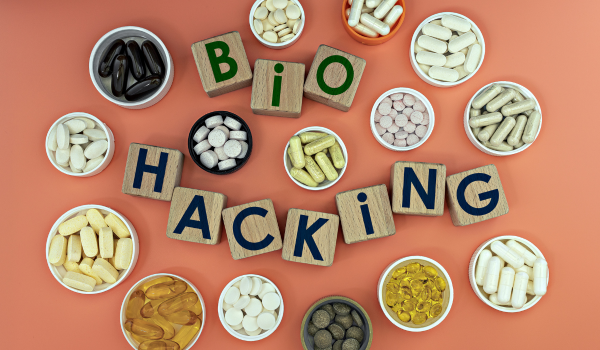
Biohacking refers to intentional changes you make to your body and lifestyle to improve physical health, mental performance, and overall well-being. These changes can range from simple habits—like improving sleep—to more advanced approaches involving technology or supplements.
While some biohacking methods are widely accepted, others remain controversial due to limited research or ethical concerns.
How Biohacking Works
At its core, biohacking is about making small, measurable changes to optimize how your body functions.
People often experiment with:
- Diet and nutrition
- Sleep patterns
- Exercise routines
- Stress management
- Technology and health tracking
The goal is to improve areas like energy levels, focus, weight management, longevity, or athletic performance.
Some approaches—like intermittent fasting or using wearable devices—have been studied more extensively, while others still lack strong scientific evidence.
Common Types of Biohacking
Biohacking comes in different forms, each focusing on a unique aspect of health optimization:
Nutrigenomics
This approach studies how your genes interact with food. It aims to personalize your diet based on genetic factors to prevent disease and improve health.
DIY Biology (Do-It-Yourself Biohacking)
Often shared through blogs and social media, this involves experimenting with diets, routines, or supplements—such as keto diets or specialty coffee blends.
Grinder Biohacking
This is a more extreme form that involves modifying the body with technology, such as implanting microchips or magnets to enhance human capabilities.
Popular Biohacking Examples and Potential Benefits
Some biohacking practices are more common and accessible than others:
Intermittent Fasting
A structured eating pattern that may support weight loss and metabolic health.
Cold Water Therapy
Exposure to cold water may help reduce inflammation, improve recovery, and boost alertness.
Nootropics (Brain Boosters)
Supplements or substances aimed at improving focus, memory, and cognitive performance. These should be used with caution.
Wearable Technology
Devices like smartwatches or rings track sleep, heart rate, and activity levels, helping you make data-driven health decisions.
Potential Benefits of Biohacking
When done responsibly, biohacking may help:
- Improve energy and focus
- Support weight management
- Enhance sleep quality
- Optimize physical performance
- Increase awareness of your body’s needs
However, results can vary widely depending on the method and the individual.
Risks and Considerations
Not all biohacking methods are safe or backed by strong evidence. Key concerns include:
- Lack of regulation for supplements and devices
- Limited scientific research for many techniques
- Risk of misinformation from online sources
- Potential side effects or health complications
Some practices—especially extreme or invasive ones—may pose serious risks and should only be considered under medical supervision.
Beginner Tips for Safe Biohacking
If you're new to biohacking, start simple and focus on sustainable habits:
- Set clear, realistic goals
- Make gradual changes instead of drastic ones
- Track your progress over time
- Start with low-risk habits like improving sleep or increasing daily movement
- Limit blue light exposure before bedtime
- Spend more time outdoors
- Stay consistent
When To Talk to a Professional
Before trying more advanced biohacks—such as supplements, fasting protocols, or cold exposure—it's best to consult a healthcare provider.
This is especially important if you:
- Have existing medical conditions
- Take medications
- Are pregnant or breastfeeding
Healthy Alternatives to Biohacking
You don’t need extreme methods to improve your health. Proven lifestyle habits remain the most effective:
- Eat a balanced, nutrient-rich diet
- Exercise regularly
- Prioritize quality sleep
- Manage stress through mindfulness or relaxation techniques
- Avoid smoking and limit alcohol
Final Thoughts
Biohacking can be a useful way to take control of your health—but it’s not a one-size-fits-all solution. While some methods are supported by science, others require more research.
Starting with simple, evidence-based habits is the safest and most effective way to improve your health over time.
.png)
.png)



.png)

.png)