.png)
A naturopathic doctor (ND), also called a naturopathic physician (NMD), is a healthcare provider who focuses on holistic, preventative care using a mix of natural therapies and modern medical knowledge. Rather than relying primarily on prescription drugs, NDs aim to treat the root cause of illness and support the body’s natural healing processes.
They often use a combination of nutrition, lifestyle changes, and alternative therapies—some of which are evidence-based, while others remain debated in the medical community.
What Does a Naturopathic Doctor Do?
Naturopathic medicine originated in Europe in the 19th century and is based on treating the whole person—physically, mentally, and emotionally.
NDs can:
- Diagnose and manage various health conditions
- Focus on prevention and long-term wellness
- Address underlying causes rather than just symptoms
- Provide guidance on lifestyle, nutrition, and stress
They may also combine traditional and modern approaches depending on patient needs.
Core Principles of Naturopathic Medicine
Naturopathic doctors follow several key principles:
First Do No Harm
Use the least invasive, most natural treatments first.
Healing Power of Nature
Support the body’s ability to heal itself.
Identify and Treat the Cause
Focus on underlying issues, not just symptoms.
Doctor as Teacher
Educate and empower patients to take control of their health.
Treat the Whole Person
Consider emotional, mental, and physical health together.
Prevention First
Encourage habits that promote long-term wellness.
Common Treatments Used by NDs
The treatments offered by naturopathic doctors can vary depending on training and location, but commonly include:
- Nutritional therapy: Personalized diet plans
- Herbal medicine: Plant-based remedies
- Homeopathy: Highly diluted substances (controversial)
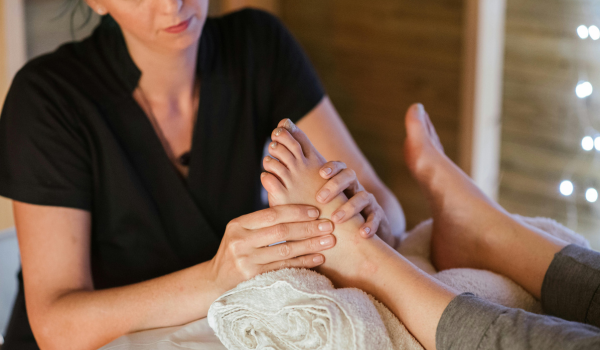
- Manual therapy: Massage or bodywork techniques
- Lifestyle coaching: Sleep, stress, and exercise guidance
- Psychotherapy: Mental health support
- Acupuncture: Traditional Chinese medicine technique
Naturopathic Doctor vs. Medical Doctor
Both naturopathic doctors and medical doctors (MDs) are trained healthcare providers, but their education and approach differ.
Naturopathic Doctors (NDs):
- Complete a 4-year naturopathic medical program
- Pass licensing exams (NPLEX)
- Focus on natural and holistic treatments
- May prescribe limited medications (depending on location)
Medical Doctors (MDs):
- Complete medical school and residency training (3–7 years)
- Pass licensing exams (USMLE)
- Use conventional treatments like medications and surgery
NDs typically do not perform major surgery or prescribe controlled medications and will refer patients to specialists when needed.
Conditions Naturopathic Doctors Treat
Naturopathic doctors often provide primary care and support for a range of conditions, including:
- Fatigue and low energy
- Sleep issues (insomnia)
- Digestive disorders
- Allergies
- Chronic pain
- Hormonal imbalances (menopause, fertility issues)
- Fibromyalgia
- Heart and respiratory conditions
They may also work alongside other healthcare providers as part of an integrative care team.
What To Expect During Your Visit
Your first appointment with an ND is usually more detailed than a typical medical visit and may last 60–90 minutes.
You’ll likely discuss:
- Medical and family history
- Current symptoms
- Diet and lifestyle habits
- Sleep and stress levels
- Medications and supplements
After the assessment, your ND will create a personalized care plan, which may include dietary changes, therapies, and lifestyle adjustments.
How To Prepare for Your Appointment
To make the most of your visit, bring:
- Medical records
- A list of medications and supplements
- Notes on your symptoms
- Your daily diet and habits
- Personal health goals
Thinking ahead about what you want to improve—such as energy, sleep, or specific symptoms—can also be helpful.
Risks and Considerations
While naturopathic care can be beneficial, there are some important considerations:
- Not all treatments are strongly supported by scientific evidence
- Regulations and licensing vary by location
- Some therapies may not replace conventional medical care
Always consult a qualified healthcare provider—especially if you have a serious condition or are undergoing treatment.
Final Thoughts
Naturopathic doctors take a holistic approach to health, focusing on prevention, lifestyle, and natural therapies. For many people, they can be a helpful part of a broader healthcare plan.
However, it’s important to balance naturopathic care with evidence-based medicine and seek guidance from licensed professionals to ensure safe and effective treatment.


.png)




.png)


.png)