Aging is a natural process, but it doesn't happen at exactly the same pace for everyone. Some changes may appear gradually and be easy to overlook, while others become more noticeable over time.
Although there's no way to stop aging, recognizing some of its early and subtle signs can help you understand how your body is changing. It may also encourage you to adjust your daily habits to support your health, mobility, and overall well-being as you get older.
Here are six subtle changes that may occur with age and practical ways to respond to them.
1. Stiff or Aching Joints
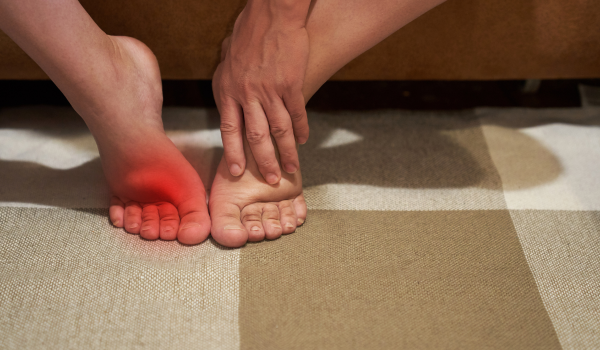
Occasional stiffness and discomfort in your joints may become more noticeable with age. You might feel tight after sitting for a long period, experience mild discomfort in your knees after a long walk, or notice that your body isn't quite as flexible as it once was.
These changes can occur as bones, muscles, cartilage, and other tissues naturally change over time. Bone density may gradually decrease, while cartilage can become thinner and less effective at cushioning the joints.
Ignoring persistent joint discomfort isn't a good idea. In some cases, ongoing stiffness or pain may be associated with conditions such as osteoarthritis or osteoporosis.
What you can do
Regular physical activity can help maintain joint mobility and support the muscles surrounding your joints. Walking, stretching, and appropriate strength exercises may all be useful depending on your health and fitness level.
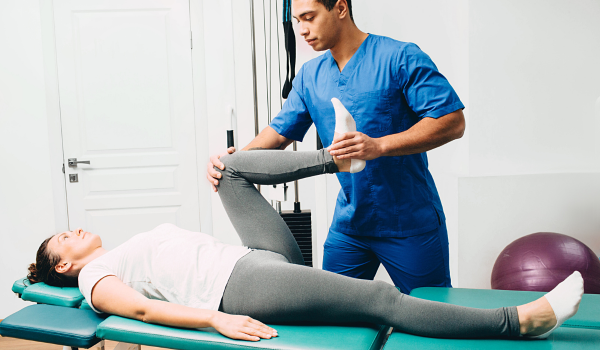
If joint stiffness or pain becomes frequent, severe, or interferes with everyday activities, consider speaking with a healthcare professional. They can help identify the cause and recommend appropriate exercises, treatments, or other strategies.
2. Muscle Weakness
Another subtle sign of aging is noticing that everyday activities require slightly more effort.
You might find it harder to carry several grocery bags at once, lift heavier household items, climb stairs, or complete physical tasks that previously felt easy.
Muscle mass and strength naturally change as people get older. Muscle fibers may become smaller, and the body may take longer to recover after strenuous physical activity.
These changes don't happen at exactly the same age for everyone. Genetics, activity level, nutrition, hormones, and other lifestyle factors can influence how quickly muscle strength changes.
What you can do
Staying physically active is one of the most important ways to maintain muscle function as you age.
Resistance training can be especially useful because it challenges your muscles to continue working and adapting. Exercises may include resistance bands, bodyweight movements, weight machines, or free weights when appropriate.
If you're new to resistance training, starting gradually can make the process easier. Learning proper technique from a qualified fitness professional can also help reduce the chance of injury.
You don't necessarily need complicated equipment. Simple bodyweight movements can provide a starting point before progressing to additional resistance.
3. Thinner, Drier Skin
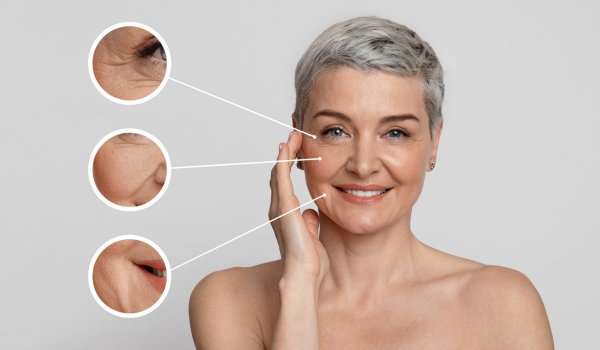
Wrinkles may be one of the most recognizable signs of aging, but other skin changes can appear before deep lines become noticeable.
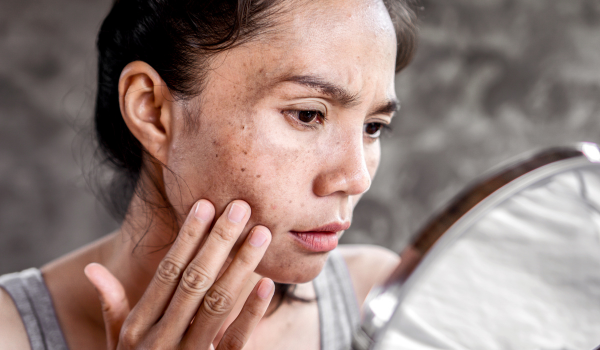
Your skin may gradually feel thinner, drier, or less elastic. It may also appear less smooth or plump than it did when you were younger.
As skin becomes more delicate, you may notice that it is more sensitive to minor scrapes or bruising. Changes in pigmentation, moles, and skin tags may also become more common over time.
Several factors contribute to these changes, including genetics, sun exposure, environmental conditions, and natural changes in collagen and other components of the skin.
What you can do
A simple and consistent skincare routine can help support healthy skin as you age.
Regularly applying moisturizer may help reduce dryness and support the skin barrier. Staying adequately hydrated is also an important part of overall health.
Daily sun protection is particularly important. Repeated ultraviolet exposure can contribute to premature skin aging and other skin problems.
If you notice a new or changing mole, unusual pigmentation, persistent irritation, or another skin change that concerns you, consider having it evaluated by a dermatologist.
4. Slightly Higher Blood Pressure
Blood pressure may gradually increase as people get older, even among those who generally follow heart-healthy habits.
You might notice slightly higher readings during routine medical appointments or when checking your blood pressure at home. Your blood pressure may also take longer to return to its usual level following physical activity.
The important thing to remember is that elevated blood pressure frequently doesn't cause obvious symptoms. Someone can feel completely normal while their blood pressure is higher than recommended.
That's why regular monitoring becomes increasingly important with age.
What you can do
Knowing your typical blood pressure range gives you a useful baseline for identifying changes.
Lifestyle habits that support cardiovascular health include regular physical activity, eating a balanced diet, getting enough sleep, managing stress, and avoiding smoking.
If your readings consistently increase or remain above the range recommended by your healthcare provider, discuss them with a medical professional.
Depending on your situation, your provider may recommend lifestyle adjustments, additional monitoring, or medication to help manage your blood pressure.
5. Thinning Hair or a Widening Part
Gray hair is an obvious sign of aging, but changes in hair thickness can be much more subtle.
You may notice that your part looks slightly wider than it used to. Your ponytail may feel thinner, or individual strands of hair may seem finer.
These changes can occur because of genetics, hormonal changes, and changes within the hair follicles. Over time, some follicles may produce thinner strands or eventually stop producing new hair.
Hair changes vary considerably from person to person. Some people experience noticeable thinning relatively early in adulthood, while others maintain thick hair much longer.
What you can do
Treating your hair and scalp gently may help minimize unnecessary damage. Avoid excessive heat, harsh chemical treatments, or hairstyles that continuously pull tightly on the hair.
Nutrition can also play a role in maintaining healthy hair, particularly when nutritional deficiencies are involved.
However, sudden or significant hair loss shouldn't automatically be assumed to be normal aging. Hair loss can have many causes.
If you notice rapid thinning, bald patches, scalp irritation, or another significant change, a dermatologist can help determine the possible cause and discuss appropriate treatment options.
6. More Frequent Constipation
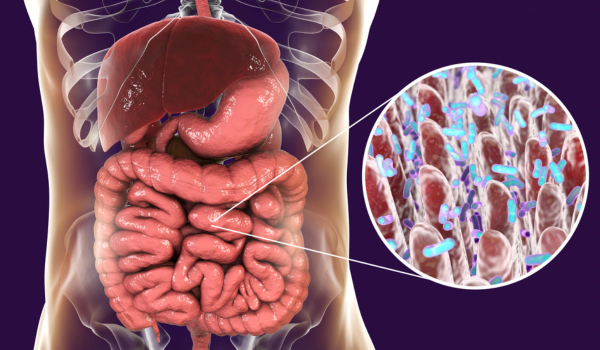
Digestive patterns can also change with age, and constipation tends to become more common among older adults.
Several factors may contribute to this change.
People may become less physically active as they get older. Certain medications and supplements can also affect digestion. Dietary changes, inadequate fiber intake, and not drinking enough fluids may contribute as well.
Occasional constipation isn't necessarily unusual, but frequent digestive problems deserve attention.
What you can do
Start by looking at three basic areas: movement, fiber, and hydration.
Regular physical activity can support normal digestive function. Eating foods naturally rich in fiber, including fruits, vegetables, whole grains, beans, and other plant foods, can also help support regular bowel movements.
Adequate fluid intake is important, particularly when increasing dietary fiber.
If constipation becomes persistent, suddenly changes from your normal pattern, or occurs alongside other concerning symptoms, speak with a healthcare professional rather than relying only on home remedies.
Tips for Healthy Aging
Aging may not occur in a perfectly smooth and predictable pattern. Research suggests that biological changes can accelerate during certain periods of adulthood rather than progressing at exactly the same rate every year.
Genetics certainly influence how we age, but lifestyle and environmental factors also play important roles.
That means many everyday habits can help support health and independence as you get older, even though aging itself cannot be prevented.
Eat a balanced diet
Focus on a varied diet that provides vegetables, fruits, whole grains, protein sources, healthy fats, and other nutrient-rich foods. Staying adequately hydrated is equally important.
Keep moving
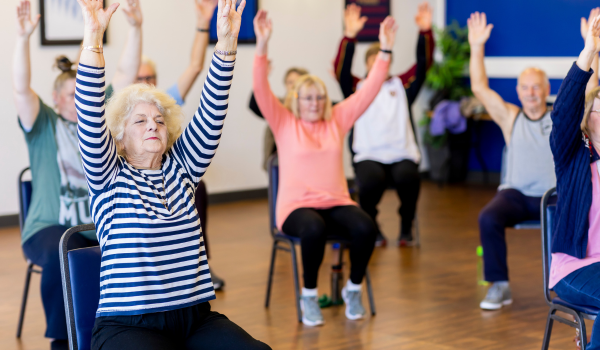
Regular movement helps support cardiovascular health, mobility, balance, and muscle function. Strength or resistance training can be particularly valuable for maintaining muscle and physical independence over time.
Manage stress
Chronic stress can affect both physical and emotional well-being. Relaxation techniques, enjoyable activities, spending time outdoors, and maintaining a manageable routine may help.
Prioritize quality sleep
Sleep gives your body time to recover and supports many aspects of health. Maintaining a consistent sleep schedule and creating a comfortable sleep environment may improve sleep quality.
Limit alcohol
Drinking less alcohol can support overall health and reduce several health risks. People who don't currently drink don't need to start for potential health benefits.
Avoid smoking and vaping
Avoiding tobacco and nicotine products is one of the most important steps you can take to protect your heart, lungs, blood vessels, and overall long-term health.
Stay socially connected
Maintaining relationships with friends, family members, and your community can contribute to emotional well-being and provide valuable social support as you age.
Maintain a healthy perspective
Healthy aging doesn't mean trying to prevent every physical change. Instead, focus on maintaining the habits, relationships, movement, and routines that help you feel and function well.
Small, sustainable changes are generally easier to maintain than trying to completely transform your lifestyle at once.
Pay attention to changes in your body, keep up with appropriate health screenings, and discuss new or persistent symptoms with a healthcare professional. Aging is unavoidable, but many everyday choices can help support better health and quality of life throughout the process.