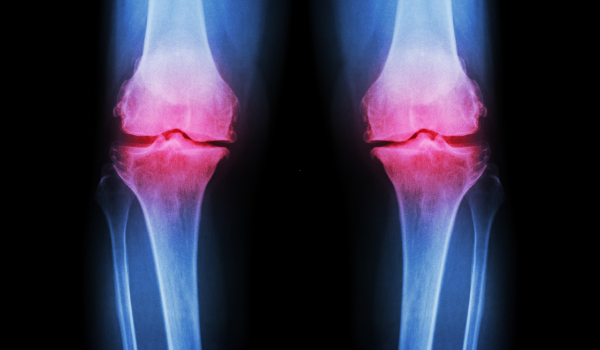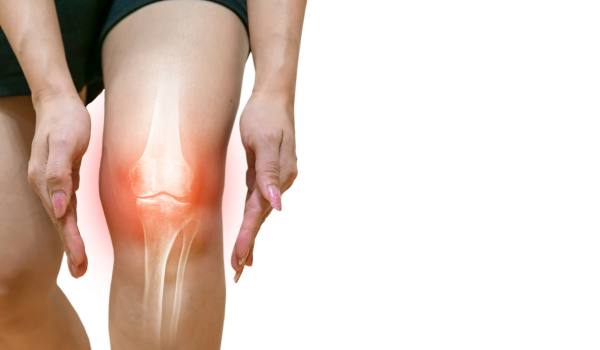
Osteoarthritis is a degenerative joint disease that causes the cartilage and tissues around joints to slowly break down. It’s often associated with aging, but its causes go beyond just “wear and tear.”
Research shows that joint overuse, inflammation, and genetic factors all contribute to the development of osteoarthritis. Understanding these three key triggers can help you take steps to protect your joints and manage your long-term joint health.
1. Joint Overuse
Joint overuse—also called mechanical overload—occurs when repetitive stress damages the structures that make up your joints. Over time, this excessive pressure can lead to cartilage breakdown and joint degeneration.
Factors that contribute to joint overuse include:
-
Prolonged or repetitive stress: High-impact sports, heavy lifting, or frequent kneeling can strain your joints and accelerate cartilage wear.
-
Acute injuries: Tears in cartilage or ligaments (like ACL injuries) can misalign the joint, creating uneven pressure that speeds up degeneration.
-
Joint misalignment: Conditions such as flat feet can alter body weight distribution, putting extra stress on certain joints.
-
Excess body weight: Carrying extra pounds increases pressure on weight-bearing joints, especially the knees, hips, and spine.
Healthy cartilage cushions bones and allows smooth movement, but overuse slowly erodes this protection, leading to stiffness, pain, and reduced mobility.
2. Inflammation
Inflammation plays a central role in osteoarthritis. While once considered purely a “wear and tear” disease, osteoarthritis is now known to involve chronic low-level inflammation that damages joint tissues.
How inflammation contributes to joint damage:
When joints are injured or overused, the immune system releases inflammatory chemicals to promote healing. However, prolonged inflammation can harm cartilage and nearby tissues, weakening ligaments and altering bone structure.
Systemic inflammation also plays a role:
Conditions such as obesity can lead to bodywide inflammation, since fat tissue produces inflammatory molecules that circulate in the blood. Over time, these substances increase the risk of cartilage breakdown and osteoarthritis.
Inflammation causes hallmark symptoms such as morning stiffness, swelling, and persistent joint pain, which often worsen with physical activity.
3. Genetics
Although osteoarthritis itself isn’t directly inherited, genetics can influence your risk. If a close family member (like a parent or sibling) has osteoarthritis, your likelihood of developing the condition may be two to three times higher.
Genes that may play a role include:
-
GDF5 gene: Involved in cartilage repair and bone growth; mutations can make joints more vulnerable to damage.
-
Collagen-related genes: Variants that affect collagen production can weaken cartilage and reduce its ability to handle stress.
In other words, your genetic makeup can determine how resilient your joint tissues are, how your body repairs damage, and how quickly osteoarthritis may develop.
Not Just a “Wear and Tear” Disease
Experts now view osteoarthritis as a whole-joint disorder, not just a result of aging cartilage. Inflammation can affect every part of the joint, including:
-
Cartilage (the cushioning tissue)
-
Bone (which may harden or grow spurs)
-
Tendons and ligaments (which may stretch or weaken)
-
Synovium (the lining tissue that produces joint fluid)
-
Fat tissue (which can release inflammatory chemicals)
Over time, this combination of factors causes joint pain, stiffness, swelling, and loss of mobility—hallmark symptoms of osteoarthritis.
Who Gets Osteoarthritis?
Osteoarthritis is the most common type of arthritis, affecting more than 33 million adults in the U.S. While anyone can develop it, certain groups are more at risk:
-
Age: Risk increases significantly after age 45.
-
Sex: Women are more likely than men to develop osteoarthritis, especially after menopause.
-
Ethnicity: It affects all races, but studies show that non-Hispanic white adults have higher prevalence, while Black adults often experience more severe pain and faster progression.
Risk Factors for Osteoarthritis
While genetics and inflammation set the stage, several lifestyle and health factors can raise your risk:
-
Older age: With aging, cartilage becomes thinner and less elastic, reducing its ability to repair itself.
-
Previous joint injuries: Past fractures or ligament tears can destabilize the joint and increase wear.
-
Obesity: Added body weight stresses joints and increases inflammatory activity.
-
Repetitive movements: Jobs or activities that involve frequent lifting, squatting, or kneeling accelerate joint strain.
-
Other joint diseases: Conditions such as rheumatoid arthritis or gout can lead to secondary osteoarthritis.
By addressing these risk factors early—through weight control, low-impact exercise, and injury prevention—you can lower your risk or slow the disease’s progression.
A Quick Review
Osteoarthritis develops when joint tissue gradually breaks down due to a combination of mechanical stress, inflammation, and genetic vulnerability.
Although aging is a factor, osteoarthritis isn’t inevitable. Lifestyle changes—like maintaining a healthy weight, managing inflammation, and avoiding repetitive joint strain—can help protect your joints and reduce pain.
People most at risk include older adults, women, and those with a family history of osteoarthritis. Managing risk factors like obesity, previous injuries, and chronic inflammation is key to maintaining lifelong joint health.