Staying properly hydrated is one of the simplest yet most powerful things you can do for your overall health. Even mild dehydration can impact energy, mood, focus, digestion, and skin health. While many people know they should drink more water, actually maintaining good hydration throughout the day can be challenging. Below are practical, science-backed hydration hacks that make the process easier and more enjoyable.
Why Hydration Matters More Than You Think
Water makes up roughly 60% of your body and is involved in nearly every essential function. It regulates your temperature, moves nutrients through your bloodstream, supports joint lubrication, and aids digestion. When you don’t get enough water, your body must work harder to perform basic functions—which is why dehydration quickly leads to fatigue, headaches, and reduced concentration.
Signs of mild dehydration include:
-
Dry mouth
-
Headache
-
Dark yellow urine
-
Fatigue
-
Dizziness
-
Muscle cramps
Even being 1–2% dehydrated can affect cognitive performance and mood.
Easy Hydration Hacks to Try Today
Start Your Morning With Water
Drinking water first thing in the morning helps rehydrate your body after several hours without fluids. A simple 200–300 ml glass can kick-start digestion, improve alertness, and set a hydrated tone for the rest of the day.
Carry a Water Bottle Everywhere
This one habit significantly increases water intake for most people. Choose a bottle you enjoy using—glass, stainless steel, or BPA-free plastic—and keep it with you at work, in your car, or during exercise.
Flavor Your Water Naturally
If plain water feels boring, add:
-
Lemon or lime slices
-
Mint leaves
-
Berries
-
Cucumber
-
Orange slices
These small additions make water more enjoyable and help you drink more without added sugar.
Follow the “Sip, Don’t Chug” Rule
Sipping water throughout the day is more effective for hydration than drinking a large amount at once. Small, frequent sips help your body absorb water steadily and prevent bloating.
Use the Urine Color Test
The easiest self-check:
-
Pale yellow → you're well-hydrated
-
Dark yellow to amber → you need more fluids
This simple tool is more useful than counting cups.
Eat Hydrating Foods
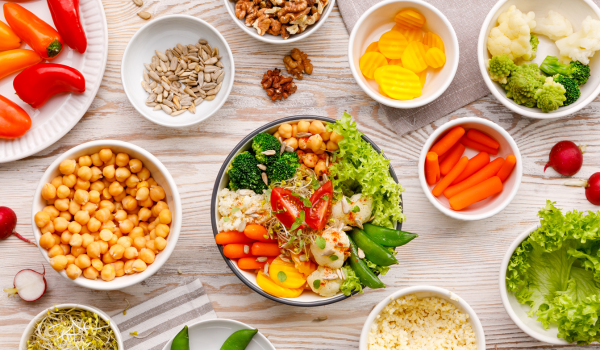
You can get up to 20–30% of your hydration from food. Add more:
-
Watermelon
-
Cucumbers
-
Oranges
-
Strawberries
-
Lettuce
-
Zucchini
-
Celery
Soups, smoothies, and herbal teas also contribute well.
Set Hydration Reminders
Use alarms, phone reminders, or hydration apps to stay on track—especially if you tend to forget to drink water during busy work hours.
Drink More During Heat or Exercise
When sweating increases, your body loses fluids faster. Always hydrate:
-
Before exercise
-
During longer workouts
-
After sweating heavily
Electrolytes may help if you sweat a lot or train in hot weather.
Avoid Drinking Too Much at Once
Overhydration is rare but possible. Spread your intake evenly throughout the day instead of forcing a large amount in a short time.
Final Thoughts
Hydration doesn’t need to be complicated. With small, consistent habits—like carrying a water bottle, adding natural flavors, or eating water-rich foods—you can significantly improve your energy levels, digestion, skin health, and cognitive performance.





.png)


.png)
.png)
.png)
.png)
.png)
.png)
.png)
.png)



.png)


.jpg)