Carbohydrates have been the center of nutrition debates for decades. From low-carb diets to keto meal plans, many people believe carbs are the enemy of weight loss. But is that reputation really deserved? Are carbs actually responsible for weight gain — or is the truth more nuanced?
To answer this question accurately, we need to break down what carbs are, how your body uses them, and which types of carbs truly influence your weight. Let’s separate myth from fact so you can make smarter choices without fearing your favorite foods.
Why Carbs Get Blamed for Weight Gain
Carbs are often misunderstood because of how quickly they affect blood sugar levels. When you eat carbohydrates, your body breaks them down into glucose (sugar), which provides energy for your cells. This process can lead to temporary spikes in blood sugar, especially with refined carbs like white bread, pastries, and sugary drinks.
These spikes can lead people to believe that all carbs cause fat gain. But in reality, the story is much more complex.
Myth: All Carbs Turn Into Fat
This is one of the most common misconceptions. While it's true that excess calories — from carbs, fats, or protein — can be stored as fat, carbs do not automatically become fat just because you eat them. Your body’s primary goal is to use glucose for energy first. Only when you consistently consume more calories than you burn does the body convert the extra into fat.
The truth:
Carbs stored as fat are the result of calorie surplus, not the presence of carbs themselves.
Fact: Not All Carbs Are Created Equal
Carbohydrates fall into two main categories:
1. Complex Carbs
These include whole grains, legumes, fruits, vegetables, and high-fiber foods. Complex carbs digest slowly, keeping you full longer and providing steady energy. They help support:
-
Stable blood sugar
-
Better digestion
-
Healthy weight control
-
Long-term energy
2. Simple Carbs
These include sugary drinks, candy, white bread, pastries, and processed snacks. Simple carbs digest quickly, causing blood sugar spikes and crashes. When eaten in excess, they can contribute to overeating and weight gain.
The truth:
The type of carb matters more than the carb itself.
Myth: Low-Carb Diets Are the Only Way to Lose Weight
Low-carb diets — like keto or Atkins — often produce fast results. This leads many to believe carbs are the root cause of weight gain. But the early “weight loss” seen in these diets is mostly from water loss, not fat loss. When carb intake drops, the body depletes glycogen stores, which hold water.
The truth:
People lose weight on low-carb diets primarily because they reduce calorie intake, not because carbs are inherently fattening.
You can lose weight on high-carb diets too — as long as you're in a calorie deficit and eating nutrient-dense foods.
Fact: Carbs Support Essential Body Functions
Cutting out carbs completely can lead to fatigue, dizziness, poor mood, brain fog, and reduced exercise performance. Carbs are fuel for:
-
Your brain
-
Your muscles
-
Your nervous system
-
Your metabolism
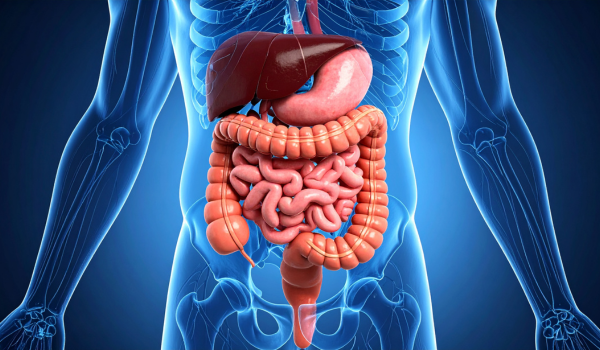
Fiber — a type of carbohydrate — is also essential for gut health, blood sugar control, and hunger management.
The truth:
Carbs are not the enemy — they’re a core part of a balanced diet.
Myth: Eating Carbs at Night Makes You Gain Weight
Many people avoid carbs after 6 PM due to a widespread belief that nighttime carb consumption leads to fat gain. But your body doesn’t look at the clock when storing energy; what matters is total daily intake.
The truth:
Eating carbs at night does not cause weight gain unless you exceed your calorie needs for the day.
In fact, some people sleep better with carbs in their dinner because carbs increase serotonin, a calming neurotransmitter.
Fact: Overeating Refined Carbs Can Contribute to Weight Gain
While carbs themselves don’t cause fat gain, refined carbs are easy to overeat because they digest quickly and don’t keep you full. Sugary and ultra-processed foods can lead to:
-
Cravings
-
Hunger spikes
-
Overconsumption
-
Excess calories
-
Fat storage over time
The truth:
The real issue is overeating low-nutrient carbs, not carbohydrates as a whole.
How to Eat Carbs Without Gaining Weight
Here are simple rules to keep carbs as part of a balanced, healthy lifestyle:
Choose whole, unprocessed carbs
-
Whole grains
-
Vegetables
-
Beans and legumes
-
Fruits
-
Oats
-
Quinoa
-
Sweet potatoes
These provide fiber, nutrients, and sustained energy.
Pair carbs with protein and healthy fats
This keeps blood sugar levels stable and reduces cravings. For example:
-
Oatmeal + Greek yogurt
-
Brown rice + chicken
-
Whole-grain toast + eggs
Eat within your calorie needs
Carbs don’t cause weight gain — excess calories do.
Limit sugary and refined foods
Avoid or minimize:
-
Soft drinks
-
Candy
-
Baked sweets
-
White bread
-
Instant noodles
-
Chips and crackers
These contribute to overeating and unstable energy levels.
Focus on fiber-rich carbs
Fiber helps control hunger and improves digestion, making it easier to maintain a healthy weight.
Final Verdict: Do Carbs Make You Gain Weight?
Carbs do not cause weight gain by themselves. Overeating, poor carb choices, and lifestyle habits are the real contributors. Carbohydrates are an essential source of energy, nutrients, and fiber — not something to fear.
When you choose whole, balanced, nutrient-dense carb sources and avoid excessive refined sugars, carbs become your ally, not your enemy.







.png)


.png)
.png)
.png)
.png)
.png)
.png)
.png)
.png)



.png)


.jpg)