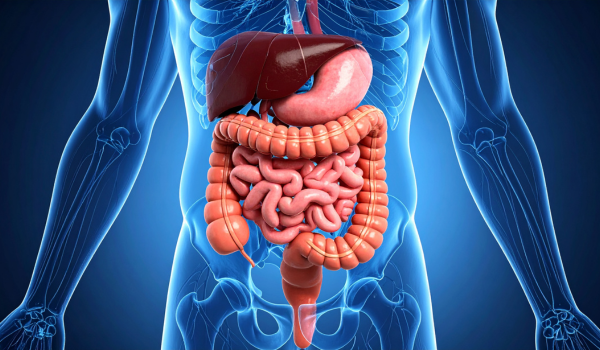
Good digestion is essential for energy, comfort, and overall well-being—but many people experience bloating, sluggishness, or discomfort simply because of small habits throughout the day. The good news? You don’t need complicated diets or supplements to support a healthier gut. By adjusting your daily routine, eating patterns, and lifestyle habits, you can significantly improve digestion naturally.
Below are practical, science-backed, and easy-to-implement strategies to keep your digestive system working smoothly from morning to evening.
Eat Slowly and Chew Your Food Thoroughly
Digestion begins in the mouth. When you chew, enzymes in your saliva start breaking down carbohydrates while preparing the food for the stomach.
Why it helps:
-
Reduces bloating by preventing swallowed air
-
Helps your stomach work less
-
Supports better nutrient absorption
-
Improves satiety, preventing overeating
Tips to make it easy:
-
Put utensils down between bites
-
Aim for 15–20 chews per bite
-
Avoid eating while distracted (phone, laptop, driving)
Start Your Morning With a Warm Drink
A warm beverage—like warm water, herbal tea, or lemon water—can help “wake up” your digestive system.
Benefits include:
-
Encourages bowel movement
-
Improves circulation to the digestive tract
-
Supports hydration, which is crucial for digestion
Chamomile, ginger, and peppermint teas are especially soothing to the stomach.
Include Fiber in Every Meal
Fiber supports regular bowel movements, reduces constipation, and feeds beneficial gut bacteria.
Best sources to add throughout the day:
-
Fruits: berries, apples, pears, kiwi
-
Vegetables: broccoli, carrots, leafy greens
-
Whole grains: oats, quinoa, brown rice
-
Legumes: lentils, chickpeas, beans
-
Seeds: chia, flaxseed
Pro tip: Increase fiber gradually and drink enough water to avoid discomfort.
Stay Hydrated Consistently
Water helps break down food, dissolve nutrients, and move waste through your intestines.
Daily digestion-friendly habits:
-
Drink a glass of water before meals
-
Carry a reusable bottle
-
Choose water over sugary beverages
-
Eat hydrating foods like cucumbers, oranges, and watermelon
If you're frequently bloated, avoid chugging large amounts at once—sip slowly.
Don’t Skip Meals—Eat at Regular Times
Irregular eating patterns can disrupt digestion and make the gut more sensitive.
Why consistent mealtimes help:
-
Supports smoother digestive rhythms
-
Prevents overeating
-
Reduces gas and bloating
-
Helps regulate blood sugar
Try sticking to a simple schedule like breakfast, lunch, and dinner around the same times daily.
Add Probiotics and Prebiotics to Your Diet
A healthy gut microbiome supports digestion, immunity, and nutrient absorption.
Probiotic-rich foods:
-
Yogurt
-
Kefir
-
Kimchi
-
Sauerkraut
-
Miso
Prebiotic foods (the food for probiotics):
-
Garlic
-
Onions
-
Bananas
-
Oats
-
Asparagus
Even one serving a day can make a difference for many people.
Move Your Body After Eating
Light activity helps stimulate digestion and reduces the chances of gas buildup.
Simple ways to get moving:
-
A 10–15 minute walk after meals
-
Gentle stretching
-
Standing instead of sitting immediately
-
Light household chores
Avoid intense workouts right after eating, which can cause nausea or cramps.
Manage Stress Throughout the Day
Your gut and brain are closely connected. Stress can slow digestion, cause stomach tension, or trigger symptoms like IBS flare-ups.
Try incorporating these small habits:
-
5 minutes of deep breathing
-
Short breaks away from screens
-
Meditation or mindfulness
-
Listening to calming music
-
Spending time outdoors
You don’t need an hour-long relaxation routine—just consistency.
Avoid Overeating and Heavy Meals
Large portions overload your digestive system and slow stomach emptying.
How to prevent it:
-
Use smaller plates
-
Start meals with veggies or soup
-
Pause halfway through eating and check if you’re still hungry
-
Avoid eating late at night, when your digestion naturally slows
Remember: comfort matters more than cleaning your plate.
Limit Gas-Producing and Trigger Foods
Everyone reacts differently, but common culprits include:
-
Carbonated drinks
-
Fried or greasy foods
-
Artificial sweeteners
-
Beans or lentils (especially unsoaked)
-
Dairy (if lactose intolerant)
-
Cruciferous vegetables (broccoli, cabbage)
Instead of removing everything, identify YOUR triggers by keeping a simple food journal.
Know When to Seek Help
If you frequently experience severe bloating, pain, chronic constipation, unexplained weight loss, or persistent heartburn, consult a healthcare professional. These could indicate food intolerances, acid reflux, celiac disease, or other digestive disorders.
Final Thoughts
Improving digestion doesn’t require extreme diets—just small, consistent daily habits. By staying hydrated, eating mindfully, choosing fiber-rich foods, moving after meals, and managing stress, you can support a healthier, more comfortable gut all day long.







.png)


.png)
.png)
.png)
.png)
.png)
.png)
.png)
.png)



.png)


.jpg)