A strong immune system is the foundation of a child’s long-term health. It helps them fight off infections, recover faster, and stay energetic throughout the day. While immunity naturally develops over time, parents can play an essential role by creating the right environment and daily habits that support their child’s overall health.
This guide breaks down the most effective, science-backed ways to strengthen immunity in kids—from nutrition and sleep to hygiene and emotional well-being.
Healthy Nutrition: The Cornerstone of Immunity
A nutrient-rich diet is one of the most powerful ways to help kids build a strong immune response. Children need a consistent intake of vitamins, minerals, and antioxidants to help immune cells function effectively.
Fruits and Vegetables:
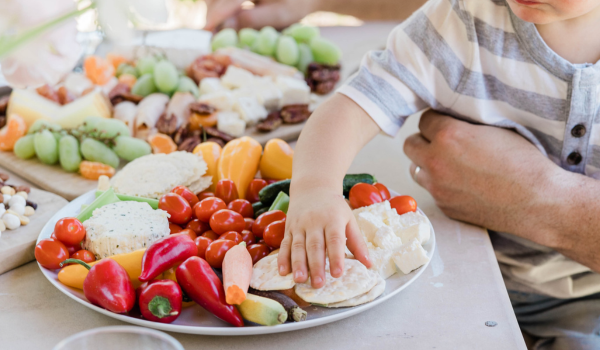
Colorful produce like oranges, berries, kiwi, broccoli, carrots, and spinach are loaded with vitamin C, vitamin A, and antioxidants. These nutrients help protect cells from damage and support the body’s natural defense mechanisms. Try adding fruits to breakfast bowls or blending vegetables into soups and smoothies if your child is picky.
Protein Sources:
Protein is essential for the development and repair of body tissues, including immune cells. Lean meats, eggs, beans, tofu, fish, and dairy provide high-quality protein that keeps the immune system strong.
Probiotic Foods:
A large part of the immune system resides in the gut. Foods like yogurt, kefir, miso soup, and fermented vegetables help balance gut bacteria and boost immunity naturally. Including a small daily serving can improve digestion and strengthen defenses.
Hydration Matters:
Water helps regulate body temperature and supports the proper functioning of every organ. Kids often forget to drink water, so keeping a bottle nearby or adding fruit infusions can encourage hydration.
Daily Physical Activity to Keep the Immune System Active
Regular movement boosts circulation, allowing immune cells to travel more efficiently throughout the body. Children need at least 60 minutes of physical activity daily, but it doesn’t have to be structured exercise.
Outdoor Play:
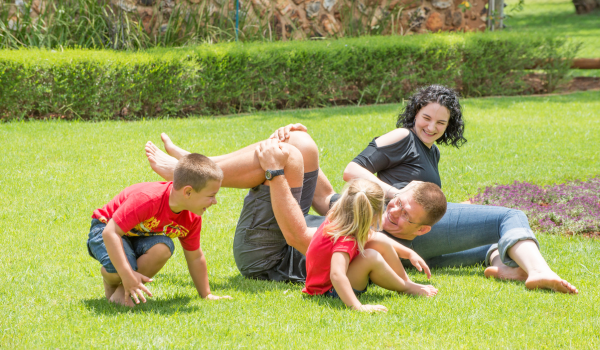
Running, biking, and playing at the park help children stay active while getting fresh air and sunlight—a natural source of vitamin D, which plays a vital role in immune health.
Family Activities:
Short walks, dance sessions, or backyard games are great opportunities for bonding while promoting physical health. Children are more likely to stay active when parents participate with them.
Balanced Activity Levels:
Moderate activity strengthens immunity, but excessive exercise without proper rest can weaken it. Ensure kids have a balanced routine that combines effort with recovery.
Prioritizing Sleep: The Body’s Natural Repair System
Sleep is when the body repairs itself, builds memory, and strengthens its immune responses. Children who don’t get enough sleep are more likely to get sick after exposure to viruses or bacteria.
Sleep Recommendations by Age:
-
Toddlers (1–2 years): 11–14 hours
-
Preschoolers (3–5 years): 10–13 hours
-
School-aged kids (6–12 years): 9–12 hours
Create a Bedtime Routine:
Consistent sleep patterns support hormone regulation and promote deeper rest. Calming activities like reading, warm baths, or soft music help signal the brain that it’s time to wind down.
Limit Screen Time Before Bed:
Blue light from screens interferes with melatonin, the sleep hormone. Try to turn off devices at least one hour before bedtime.
Good Hygiene Practices to Prevent Infections
Building immunity isn’t only about strengthening the body from within—it’s also about preventing unnecessary exposure to harmful germs.
Handwashing:
Teach kids to wash their hands before eating, after using the restroom, and after outdoor play. Proper handwashing with soap for 20 seconds remains the most effective way to reduce infections.
Personal Items Shouldn’t Be Shared:
Items like towels, water bottles, brushes, and utensils can transfer germs. Encourage kids to use their own things, especially in school or group activities.
Clean Living Environment:
Regularly cleaning frequently touched surfaces—doorknobs, toys, remote controls—helps reduce the spread of bacteria and viruses in the household.
Emotional Well-being and Stress Management
Not many parents realize that emotional health plays a major role in immunity. Stress, even in children, can weaken the immune response and make them more susceptible to illness.
Recognize Emotional Needs:
Kids may feel stress from school, family changes, or peer relationships. Open communication helps children feel safe and supported.
Encourage Play and Creativity:
Creative activities like drawing, music, and imaginative play help children express emotions and reduce stress naturally.
Mindfulness for Kids:
Simple breathing exercises or short guided meditations can help children relax, improve focus, and maintain emotional balance.
The Role of Vaccination in Building Long-Term Immunity
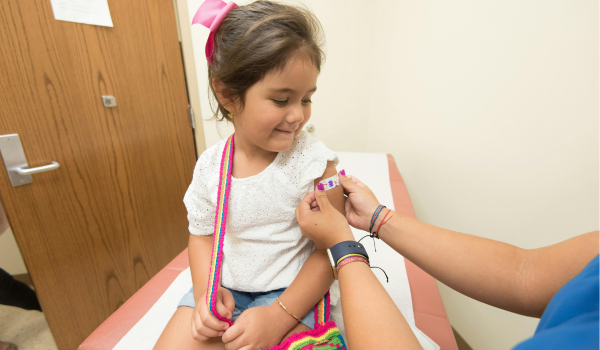
Vaccinations are one of the most effective ways to protect children from serious diseases. They help the immune system learn how to fight infections without exposing the child to full-strength viruses or bacteria.
Timely Vaccinations:
Following your pediatrician’s recommended schedule ensures children receive protection at the right age. Vaccines help prevent diseases like measles, flu, whooping cough, and chickenpox—many of which used to be life-threatening.
Regular Check-Ups:
Routine medical visits help detect health issues early and ensure that your child’s growth and immune development are on track.
Limiting Processed Foods and Sugar
Excess sugar can weaken the immune system by reducing white blood cell activity and increasing inflammation.
Healthier Alternatives:
Swap sugary snacks for yogurt, fruit slices, nuts (if age-appropriate), and whole-grain crackers. Save sweets for special occasions to maintain balance without creating restriction-based stress.
Minimizing Additives and Preservatives:
Many processed foods contain chemicals that may affect gut health, which is closely linked to immune function. Choosing whole, natural foods is a simple way to support immunity daily.
Conclusion
Building strong immunity in kids isn’t about one magic solution—it’s the combination of daily habits that create a foundation for lifelong health. With nutrient-rich meals, quality sleep, regular physical activity, good hygiene, emotional support, and preventive healthcare, parents can help their children grow up healthier, stronger, and more resilient.


.png)