A torn Achilles tendon occurs when the strong band of tissue connecting your calf muscles to your heel bone is partially or completely ruptured. This injury can range from mild to severe and may require rest, rehabilitation, or even surgery to fully recover.
How Do You Tear Your Achilles Tendon?
Achilles tendon injuries often happen suddenly, especially during physical activity.
common causes
- Sudden push-off movements (like starting to run)
- Abrupt stopping or changing direction
- Pivoting or twisting the ankle
- Being hit in the lower leg
- Tripping, falling, or missing a step
Sports that involve quick direction changes—such as tennis or basketball—carry a higher risk. However, injuries can also occur during everyday activities like walking or going downstairs.
who is at higher risk
- Recreational or untrained athletes
- People aged 30–50
- Males
Although the Achilles tendon is the largest and strongest tendon in the body, it is frequently used and therefore vulnerable to injury.
What Does It Feel Like?
A torn Achilles tendon usually comes with sudden and noticeable symptoms.
key symptoms
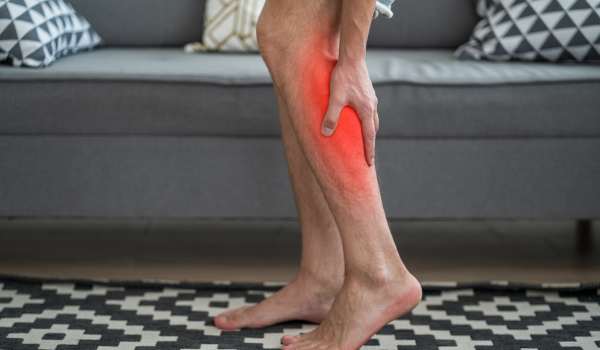
- Sharp pain in the back of the ankle or leg
- A popping or snapping sound at the moment of injury
- Difficulty walking or climbing stairs
- Trouble standing on your toes
- Swelling or bruising
- A sensation similar to being hit in the back of the leg
What Should You Do?
If you suspect an Achilles tendon tear, seek medical attention immediately.
why early treatment matters
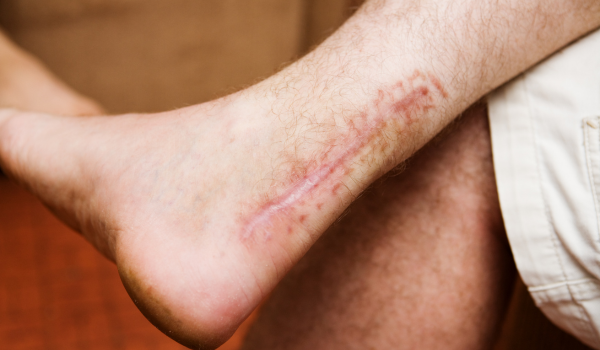
Without proper treatment, the tendon may heal incorrectly, forming scar tissue that limits movement and increases the risk of re-injury.
How Is an Achilles Tendon Tear Diagnosed?
Diagnosis typically involves a physical examination and, if needed, imaging tests.
common diagnostic methods
- thompson test: the calf is squeezed to check if the foot moves
- movement tests: assess your ability to flex your foot or stand on toes
- visual inspection: look for gaps, bruising, or swelling
- weight-bearing test: check your ability to walk or stand
imaging tests
- Ultrasound to view tendon structure
- MRI for detailed imaging of the tear
These tests help determine whether the tear is partial or complete.
How Is It Treated?
Treatment depends on how severe the injury is.
R.I.C.E. method
initial care includes
- Rest: avoid putting weight on the injured foot
- Ice: reduce pain and swelling
- Compression: use wraps or braces
- Elevation: keep the foot raised to limit swelling
Pain relief medications may also be recommended.
immobilization
for partial tears
The ankle may be immobilized using a boot, brace, or splint for several weeks to allow healing.
surgery
for complete tears
Surgery may be required to reconnect the torn tendon. After surgery, you’ll need a cast or splint and time to recover.
physical therapy
Rehabilitation is essential after both surgical and non-surgical treatment.
therapy may include
- Strengthening exercises for calf muscles
- Range-of-motion training
- Low-impact cardio activities
- Electrical stimulation to support muscle recovery
How Long Does It Take To Heal?
Recovery time varies depending on the severity of the injury.
typical timelines
- Partial tear: about 5–8 months
- Complete tear (with surgery): around 6–9 months
- Full recovery: may take up to one year
Some people may not regain full strength or function.
How Can You Prevent an Achilles Tendon Tear?
While not all injuries can be prevented, you can reduce your risk.
prevention tips
- Warm up and stretch before exercise
- Gradually increase workout intensity
- Alternate high-impact and low-impact activities
- Avoid sudden movements or overtraining
- Wear supportive, cushioned footwear
- Avoid running on hard or slippery surfaces
Final Thoughts
An Achilles tendon tear is a serious injury that requires prompt attention and proper care. Early treatment, rehabilitation, and gradual return to activity are key to recovery.