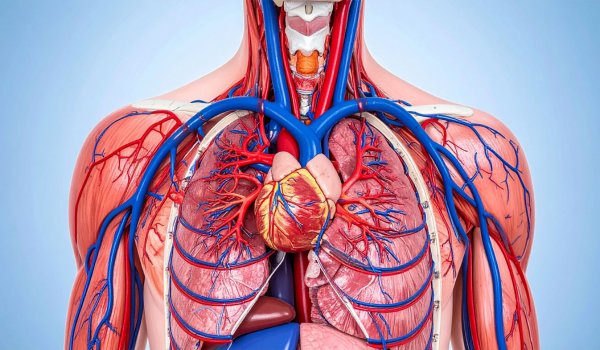
Why Cholesterol Matters for Your Health
Even though cholesterol often gets a bad reputation, it’s actually essential for life. Your body needs cholesterol to build cell membranes, produce hormones like estrogen and testosterone, and make vitamin D. Without it, many body systems wouldn’t function properly.
But just like many things in health, balance is key. Having too much cholesterol in your blood can cause fatty deposits to form inside your arteries, narrowing them over time. This condition, called atherosclerosis, raises your risk of heart attack, stroke, and other cardiovascular diseases.
Maintaining normal cholesterol levels helps keep your arteries flexible, your heart strong, and your circulation healthy. The key is not eliminating cholesterol — but keeping it in the right range.
What Is Cholesterol?
Cholesterol is a type of lipid, or fat-like substance, that circulates in your blood. Your liver makes most of the cholesterol your body needs, but you also absorb some from the foods you eat, particularly animal-based products like meat, dairy, and eggs.
Since cholesterol doesn’t mix well with water, it travels through your bloodstream attached to lipoproteins — tiny particles made of fat and protein. Lipoproteins act like shuttles, carrying cholesterol to and from your body’s cells.
There are several types of lipoproteins, and they determine how cholesterol behaves in your body — some are beneficial, while others can be harmful when elevated.
The Two Main Types of Cholesterol
HDL Cholesterol (High-Density Lipoprotein)
HDL is often called the “good” cholesterol because it helps remove excess cholesterol from your bloodstream and carry it back to the liver for processing and elimination.
Higher levels of HDL cholesterol are protective — they reduce the buildup of plaque in the arteries and lower your risk of heart disease.
HDL also has anti-inflammatory and antioxidant effects, which help protect blood vessels from damage.
Healthy HDL levels:
-
Men: 40 mg/dL or higher
-
Women: 50 mg/dL or higher
-
Ideally: 60 mg/dL or higher (considered excellent)
LDL Cholesterol (Low-Density Lipoprotein)
LDL is known as the “bad” cholesterol because it deposits cholesterol into artery walls, forming plaque that narrows and hardens them. Over time, this can restrict blood flow and increase the risk of heart attack, stroke, or peripheral artery disease (PAD).
Not all LDL is equally harmful — small, dense LDL particles are more likely to penetrate the arterial wall and trigger inflammation. However, the overall LDL level remains one of the strongest predictors of heart disease risk.
Optimal LDL levels:
-
Less than 100 mg/dL is ideal
-
100–129 mg/dL is near optimal
-
130–159 mg/dL is borderline high
-
160 mg/dL or higher is considered high
What About Triglycerides and Non-HDL Cholesterol?
Cholesterol isn’t the only fat in your blood. Triglycerides are another type, and they store excess energy from your diet. High triglyceride levels can contribute to arterial plaque buildup and are often seen in people who are overweight, sedentary, or consume too much sugar or alcohol.
Normal triglyceride levels:
-
Less than 150 mg/dL — Normal
-
150–199 mg/dL — Borderline high
-
200 mg/dL or higher — High
Doctors also use non-HDL cholesterol as a broader marker of heart risk. It includes all the “bad” forms of cholesterol (LDL + VLDL + remnants).
Target non-HDL cholesterol:
-
Less than 130 mg/dL is considered healthy for most adults.
Normal Cholesterol Levels by Age and Gender
For Adults (Age 20 and Older):
| Category | Total Cholesterol | LDL | Non-HDL | HDL | Triglycerides |
|---|---|---|---|---|---|
| Recommended Range | 125–200 mg/dL | <100 mg/dL | <130 mg/dL | Men: ≥40 mg/dL Women: ≥50 mg/dL |
<150 mg/dL |
| Borderline High | 200–239 mg/dL | 130–159 mg/dL | N/A | N/A | 150–199 mg/dL |
| High | ≥240 mg/dL | ≥160 mg/dL | ≥130 mg/dL | N/A | ≥200 mg/dL |
It’s best to have higher HDL and lower LDL levels. Experts recommend keeping HDL above 60 mg/dL to support heart health and lower cardiovascular risk.
For Children and Adolescents (Under 19):
| Category | Total Cholesterol | LDL | Non-HDL | HDL | Triglycerides |
|---|---|---|---|---|---|
| Recommended Range | <170 mg/dL | <110 mg/dL | <120 mg/dL | ≥45 mg/dL | Ages 0–9: <75 mg/dL Ages 10–19: <90 mg/dL |
| Borderline High | 170–199 mg/dL | 110–129 mg/dL | 120–144 mg/dL | N/A | Ages 0–9: 75–99 mg/dL Ages 10–19: 90–129 mg/dL |
| High | ≥200 mg/dL | ≥130 mg/dL | ≥145 mg/dL | N/A | Ages 0–9: ≥100 mg/dL Ages 10–19: ≥130 mg/dL |
Early cholesterol screening is essential for children with obesity, diabetes, or a strong family history of high cholesterol.
What Affects Cholesterol Levels?
Several factors influence your cholesterol — some are beyond your control, while others depend on daily lifestyle choices.
-
Age and Sex: Cholesterol tends to rise with age. After menopause, women’s LDL levels often increase.
-
Genetics: Family history or conditions like familial hypercholesterolemia can lead to lifelong elevated LDL levels.
-
Diet: Eating foods high in saturated or trans fats (fried foods, processed meats, butter) raises LDL. Fiber-rich foods help lower it.
-
Body Fat Levels: Excess body fat raises LDL and lowers HDL.
-
Activity Level: Regular physical activity raises HDL and lowers LDL.
-
Smoking and Alcohol: Smoking reduces HDL, while excessive alcohol raises triglycerides and can harm the liver.
How to Maintain Normal Cholesterol Levels
Maintaining cholesterol within a healthy range is one of the most effective ways to protect your heart.
Follow a Nutrient-Rich, Heart-Healthy Diet
-
Focus on whole foods: vegetables, fruits, legumes, whole grains, nuts, and fish.
-
Limit saturated fats from red meats and full-fat dairy.
-
Avoid trans fats (often found in fried or packaged foods).
-
Choose healthy fats from olive oil, avocado, and fatty fish.
-
Increase fiber intake — soluble fiber from oats and beans helps remove LDL from the bloodstream.
The Mediterranean diet and DASH diet are proven approaches for lowering LDL and improving overall cardiovascular health.
Maintain a Healthy Weight
Even a modest 5–10% weight loss can significantly reduce LDL, triglycerides, and total cholesterol levels.
Avoid crash diets — instead, aim for steady, sustainable habits like portion control and regular physical activity.
Avoid Smoking
Smoking damages blood vessel walls, lowers HDL cholesterol, and accelerates plaque buildup.
If you smoke, quitting is one of the best things you can do for your heart and arteries.
Stay Physically Active
The American Heart Association recommends:
-
150 minutes of moderate activity (like brisk walking) per week, or
-
75 minutes of vigorous exercise (like jogging, swimming, or cycling)
Exercise helps lower LDL, raise HDL, and improve your body’s fat metabolism.
Take Medications When Needed
Sometimes lifestyle changes aren’t enough — especially if you have genetic risk factors.
Doctors may prescribe statins, ezetimibe, or PCSK9 inhibitors to manage cholesterol safely and prevent heart disease.
Never stop medication without consulting your healthcare provider.
How Often Should You Check Your Cholesterol?
-
Adults (20+ years): every 4–6 years
-
Men (35+ years) and women (45+ years): should test more frequently
-
People with diabetes, heart disease, or family history: test annually
-
Children: once between ages 9–11 and again between 17–21
Regular testing allows you and your healthcare provider to spot changes early and take preventive action.
A Quick Review
-
Cholesterol is essential — but balance is vital.
-
Normal adult total cholesterol: 125–200 mg/dL.
-
Children: below 170 mg/dL.
-
Keep LDL low, HDL high, and triglycerides under control.
-
Eat heart-healthy foods, stay active, avoid smoking, and maintain a healthy weight.
-
Regular testing ensures your cholesterol stays within a safe range.
By understanding your numbers and taking action early, you can protect your heart and enjoy better long-term health.