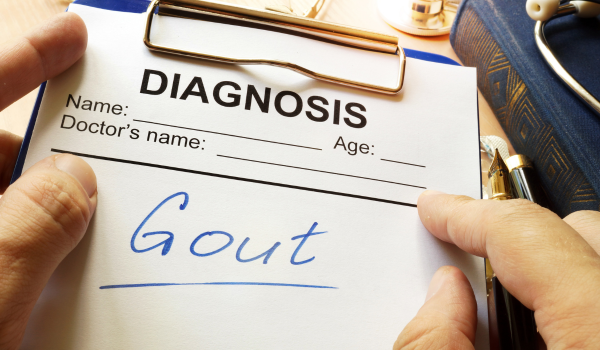
Gout is a painful form of arthritis caused by a buildup of uric acid crystals inside the joints. These sharp, needle-like crystals trigger sudden inflammation, leading to redness, swelling, and stiffness—most often in the big toe joint, though any joint can be affected.
Gout attacks tend to appear suddenly and then subside, sometimes lasting only a few days but recurring weeks or months later. While there is no permanent cure, understanding its signs and symptoms can help with early diagnosis and effective management.
What Causes Gout
Your body naturally produces uric acid when breaking down purines, substances found in certain foods and cells. Normally, the kidneys filter and eliminate this acid through urine. However, when too much uric acid builds up—or when the kidneys can’t remove it efficiently—it forms crystals inside joints, causing pain and swelling.
High-purine foods such as organ meats (liver, kidney), anchovies, and dried beans can increase uric acid levels. Gout is more common in men over 40, people who drink alcohol frequently, and those with a family history of gout.
Common Symptoms of Gout
Some individuals may have elevated uric acid levels without noticeable symptoms. But when a gout attack occurs, it typically comes on suddenly, often overnight, and can cause severe pain.
Joint Pain
Gout attacks usually start with sudden, intense joint pain, most often in the big toe, ankle, or knee. The pain can be sharp enough to wake you at night and may feel unbearable for several hours before gradually easing.
Redness and Inflammation
The affected joint often becomes red, warm, and swollen. Uric acid crystals irritate the synovial fluid—the cushioning liquid between bones—triggering an immune response that increases swelling and redness.
Lingering Pain
Even after the initial flare-up subsides, discomfort or mild pain may continue for several days or weeks. This residual soreness is less intense but can limit mobility and daily activities.
Limited Range of Motion
Repeated gout attacks can damage joint tissues, causing stiffness or reduced flexibility. People with long-term gout often notice difficulty moving small joints such as fingers or toes, or larger joints like the knee.
Rare but Serious Symptoms
If gout remains untreated for years, more severe complications can develop—most notably tophaceous gout and kidney problems.
Tophaceous Gout (Tophi)
This advanced stage occurs when uric acid crystals accumulate under the skin, forming firm, stone-like lumps called tophi. These deposits can appear around joints, bones, or soft tissues and may cause:
-
Limited mobility
-
Visible deformities
-
Chronic pain or stiffness
-
Bone erosion and joint damage
Tophaceous gout affects up to 35% of long-term gout patients but can be prevented with proper treatment and uric acid control.
Kidney Complications
Your kidneys filter uric acid from the bloodstream. When excess crystals form, they can create uric acid kidney stones, which may block urinary flow and cause sharp pain. About 15% of people with gout develop these stones. Severe blockage may damage kidney function if left untreated.
Gout Symptoms in Children
Gout is rare in children, but when it does occur, it’s usually linked to other medical conditions. The most common risk factor is childhood obesity, though gout may also appear in those with:
-
Down syndrome
-
Congenital heart disease
-
Asthma or metabolic syndrome
-
Gastrointestinal disorders
-
Side effects from certain medications
Because pediatric gout is uncommon, any child with unexplained joint pain should see a healthcare professional for evaluation.
When To See a Healthcare Provider
Contact your healthcare provider if you experience:
-
Sudden joint pain (especially in the big toe or knee)
-
Swelling, redness, and warmth around a joint
-
Pain that worsens at night or limits movement
Gout can resemble other conditions like infections or rheumatoid arthritis, so a medical evaluation is essential for accurate diagnosis.
If you’ve had multiple gout attacks or worsening symptoms, your provider may recommend blood tests, imaging, or medication to prevent long-term damage and reduce future flares.
A Quick Review
Gout is a chronic, inflammatory arthritis triggered by excess uric acid. It causes sudden joint pain, redness, and swelling, often at night. Without treatment, gout can progress to tophi formation or kidney complications.
The good news: gout is highly manageable. With lifestyle changes, medication, and proper hydration, most people can dramatically reduce pain and prevent future attacks—leading to long-term joint health and comfort.