In today’s fast-moving world, stress has become a daily part of life for millions of people. While work pressure, lack of sleep, and unhealthy habits are common causes, one factor is quietly becoming one of the biggest health concerns in America:
financial stress.
From rising living costs to growing debt and unexpected expenses, money problems can impact far more than just your bank account. Studies continue to show that financial anxiety may negatively affect sleep, mental health, heart health, focus, and even the immune system.
That’s why more people are now paying attention not only to physical wellness, but also to financial wellness.
And surprisingly, healthier financial habits may lead to a healthier life overall.
The Hidden Connection Between Money And Health
Most people think about health in terms of:
- exercise
- healthy eating
- vitamins
- sleep
- hydration
But emotional and financial well-being also play a major role in long-term health.
When someone constantly worries about money, the body can remain in a prolonged stress state. Over time, this may increase levels of cortisol — the body’s primary stress hormone.
High stress levels have been associated with:
- headaches
- poor sleep quality
- anxiety
- burnout
- digestive issues
- fatigue
- high blood pressure
- reduced focus and productivity
In many cases, financial pressure becomes a cycle:
stress affects health → poor health affects productivity → productivity affects income → income stress increases again.
Breaking that cycle is important for both mental and physical wellness.
Why Financial Wellness Matters More Than Ever
In 2026, financial wellness has become one of the fastest-growing wellness trends online.
More people are searching for:
- how to reduce financial stress
- budgeting tips
- healthier money habits
- credit-building advice
- passive income ideas
- modern banking solutions
This shift is happening because people are realizing that money management is deeply connected to emotional stability and quality of life.
Feeling financially organized can help reduce daily anxiety and create a stronger sense of control.
Healthy Habits Aren’t Only About Diet And Exercise
Building a healthier lifestyle often starts with small daily improvements.
Just like:
- drinking more water
- sleeping earlier
- walking regularly
- reducing sugar intake
small financial habits can also create long-term benefits.
Examples include:
- tracking spending
- automating savings
- reducing unnecessary purchases
- monitoring credit health
- planning monthly budgets
Over time, these habits may help reduce financial uncertainty and improve peace of mind.
How Technology Is Helping People Reduce Financial Stress
Modern financial apps are making it easier for people to stay organized and improve their money habits.
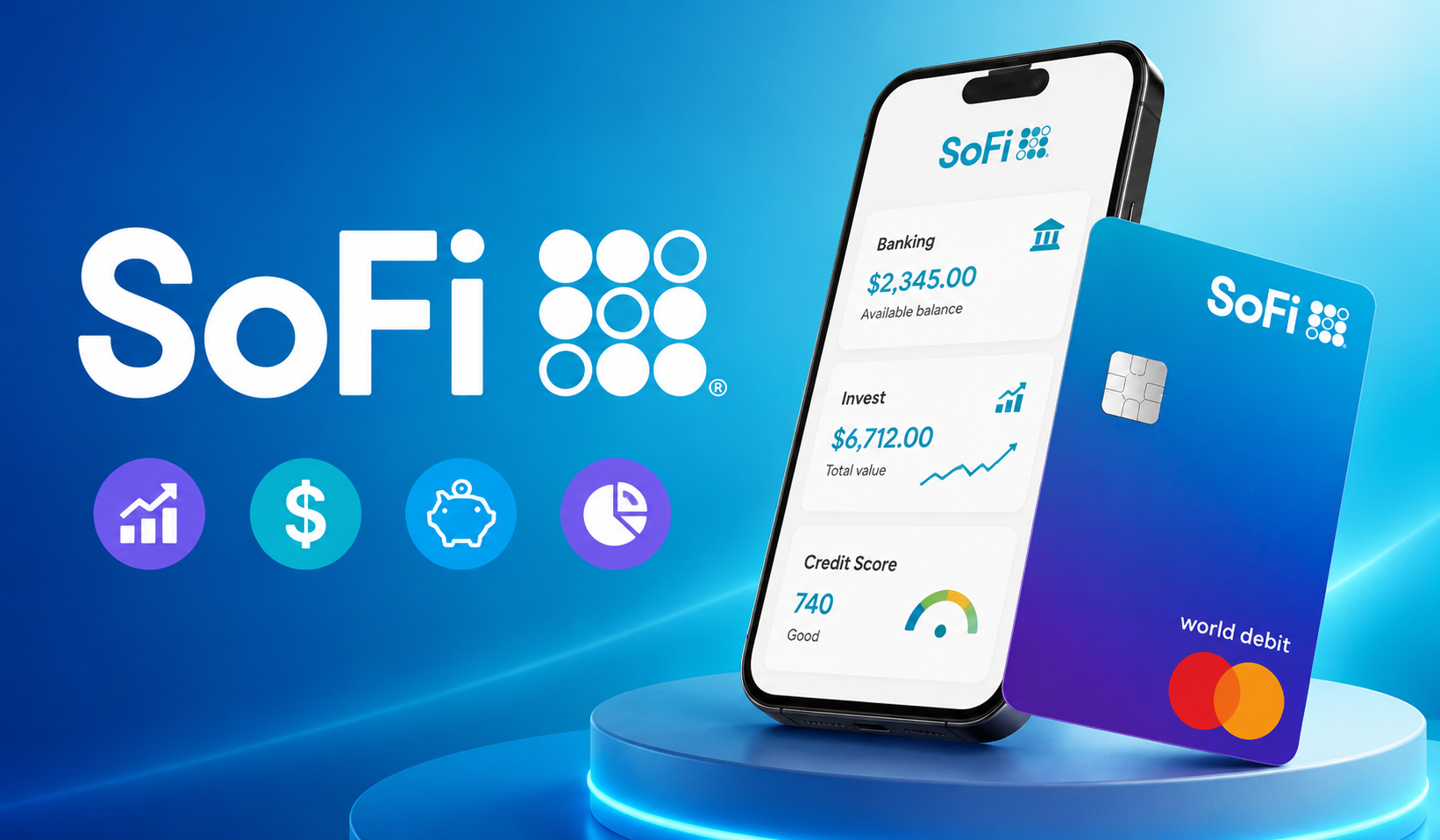
Platforms like SoFi combine banking, budgeting, savings, investing, and credit tools into one mobile experience.
Instead of managing finances across multiple apps and websites, users can monitor everything in one place.
This simplicity helps many people:
- stay more aware of spending
- save more consistently
- reduce financial confusion
- build healthier routines
For busy adults and younger generations, convenience matters.
When financial tools feel simple and accessible, people are more likely to develop healthier financial behavior.
The Rise Of SoFi Plus And Financial Self-Care
One feature gaining attention recently is SoFi Plus.
This premium membership offers additional financial benefits that may help users improve their overall financial experience.
Depending on eligibility and account setup, benefits may include:
- higher savings APY
- cashback rewards
- investing perks
- financial planning support
- exclusive member benefits
While financial apps cannot eliminate stress completely, having better tools and financial visibility may help users feel more confident and in control.
And mental clarity is an important part of overall wellness.
Can Better Financial Habits Improve Sleep?
Many health experts believe stress management plays a major role in sleep quality.
People experiencing financial anxiety often struggle with:
- racing thoughts at night
- poor sleep consistency
- waking up frequently
- difficulty relaxing
Reducing uncertainty and improving organization may help support healthier sleep routines over time.
That’s one reason why financial wellness is increasingly becoming part of the broader wellness conversation alongside:
- mindfulness
- self-care
- stress reduction
- mental health support
Building A Healthier Lifestyle Starts With Balance
True wellness is about balance.
Physical health, emotional health, sleep quality, and financial stability are all connected.
You do not need to become wealthy overnight to improve your quality of life.
Small improvements matter:
- healthier routines
- less stress
- smarter decisions
- better sleep
- stronger habits
Over time, these daily actions can create meaningful long-term changes.
Take Small Steps Toward A Healthier Future
Whether your goal is:
- reducing stress
- improving sleep
- building healthier habits
- creating financial stability
- feeling more organized
small actions today can create major benefits tomorrow.
Modern tools like SoFi Plus are becoming popular because they help people simplify their finances and develop healthier money habits in a more manageable way.
Financial wellness is no longer just about money.
It’s becoming an important part of living a healthier, calmer, and more balanced life.
.png)
.png)

.png)
.png)






.png)

.png)