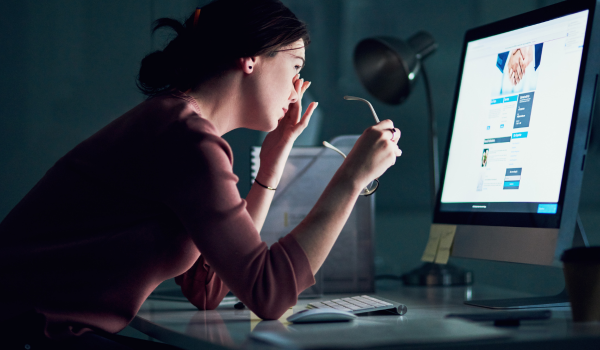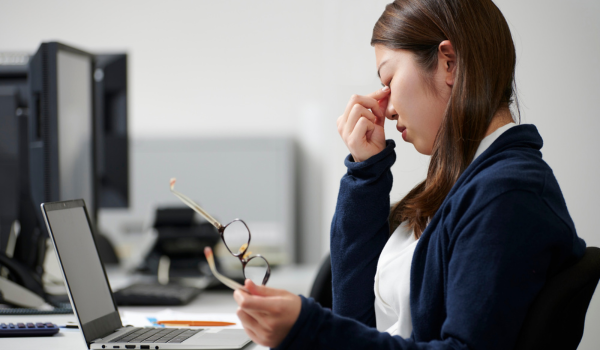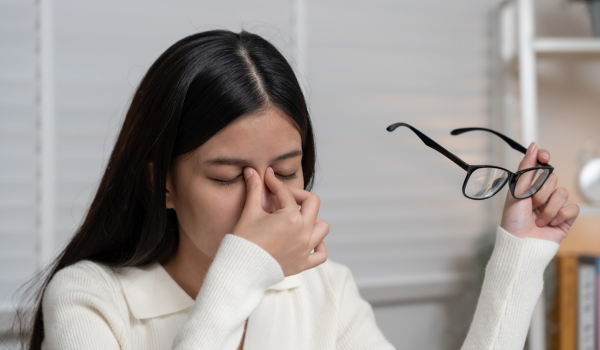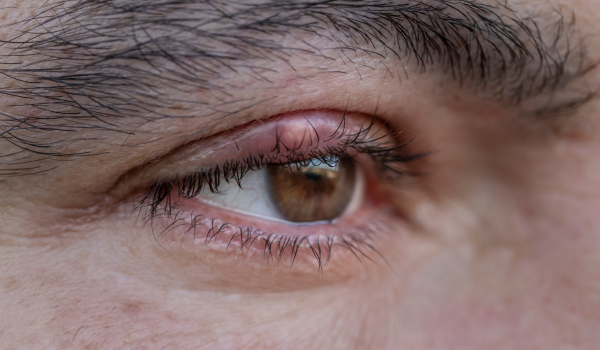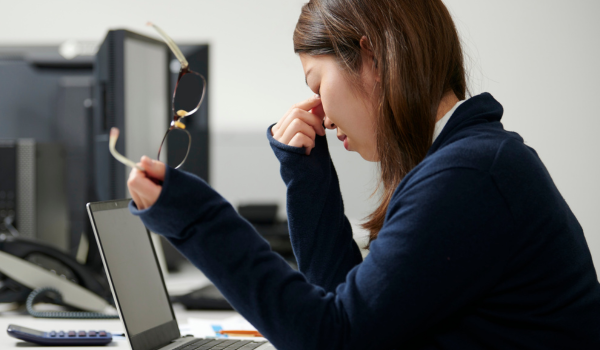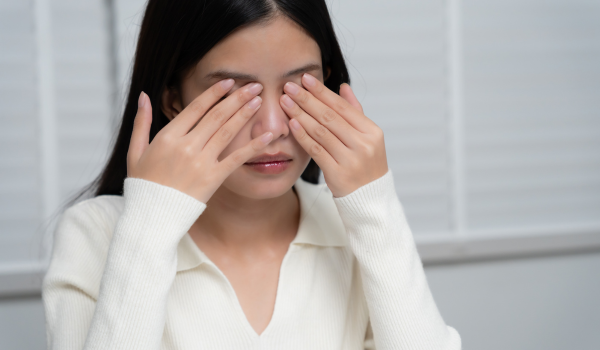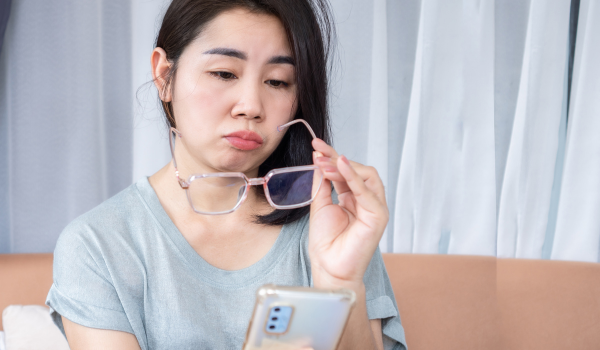
Screens are now a constant part of daily life—but new research suggests they may come with a cost for your eyes. A recent study found that increased screen time is linked to a higher risk of developing myopia (nearsightedness), a condition where close objects appear clear but distant ones look blurry.
Researchers analyzed data from 45 studies involving more than 335,000 participants (average age 9). The findings showed that just one extra hour of screen time per day can increase the risk of myopia by about 21%. The risk rises significantly between one and four hours daily, then continues to increase more gradually beyond that.
Why Screens May Affect Your Eyes
Although the exact cause isn’t fully understood, experts believe several factors may explain the connection:
- Close viewing distance: Screens are often held very close to the eyes
- Near work strain: Activities like reading or scrolling require constant focus up close
- Eye focusing (accommodation): Prolonged close focus may affect how the eye develops
- Reduced blinking: Staring at screens can lead to dry eyes
- Artificial light exposure: This may disrupt sleep and impact eye health over time
Children may be especially vulnerable, as their eyes are still developing. Studies have shown that kids who spend more time on screens—especially for schoolwork—may experience faster progression of myopia.
Health Risks Linked to Myopia and Screen Use
While myopia can often be corrected with glasses or contact lenses, it may still lead to long-term eye issues, such as:
- Retinal detachment
- Glaucoma
- Eye muscle imbalance (strabismus)
In addition, excessive screen use can cause:
- Dry eyes
- Blurry vision
- Headaches
- Eye fatigue
- Light sensitivity
These symptoms are often grouped under digital eye strain.
How Much Screen Time Is Too Much?
The study suggests that less than one hour per day may be a safer threshold for reducing myopia risk—especially for children.
General recommendations include:
- Under 18 months: Avoid screens (except video calls)
- 18–24 months: Limited use
- Ages 2–5: About 1 hour per day
- Ages 6+: Set consistent limits and encourage healthy habits
For adults, completely limiting screen time isn’t always realistic, especially for work. However, reducing unnecessary usage can still help.
Simple Ways to Protect Your Eyes
Even if you use screens daily, small habits can make a big difference:
- Follow the 20-20-20 rule: Every 20 minutes, look at something 20 feet away for 20 seconds
- Blink more often to prevent dryness
- Use artificial tears if needed
- Adjust screen brightness and distance
- Take regular breaks from devices
- Spend more time outdoors
Final Thoughts
The link between screen time and vision problems is becoming clearer. While screens are unavoidable in modern life, managing how long and how often you use them is key.
By building simple habits and staying aware of your screen exposure, you can help protect your eyes and reduce the risk of long-term vision issues.